










THE DEAD-BODY CHEMICAL IN YOUR GRANDMA’S JAB
Fluad vaccine contains formaldehyde — the same chemical undertakers use to embalm corpses
It is marketed as a safe way to protect the elderly. But a look inside the vial tells a different story.
The Fluad vaccine, made by Seqirus, contains formaldehyde.
That is not a conspiracy theory. It is on the manufacturer’s own information sheet.
Formaldehyde.
The same chemical used by funeral directors to preserve dead bodies.
The company says it is only a “trace amount.” But how much formaldehyde is acceptable in a needle going into your arm? They do not give you a clear answer.
Then there is squalene.
Oil from shark livers.
Shark liver oil. In a vaccine. You cannot make this up.
Some online researchers say squalene has a disturbing history.
I am not going to say it causes immune problems — but I am not not saying it.
There is also polysorbate 80.
It is an emulsifier used in ice cream and cosmetics.
Why is an ice-cream ingredient being injected into elderly patients?
The company calls it an “adjuvant” — a fancy word for a chemical that forces your immune system to overreact.
They say it is safe. They always say it is safe.
But if it is so safe, why does the package insert list a known carcinogen as an ingredient?
Why do they need shark liver oil?
Why will they not publish every single contaminant?
The facts are out there — if you know where to look.
THE DEAD BODY CHEMICAL NEXT DOOR
Sequris plant uses formaldehyde — the same substance used to preserve corpses — and families say they can smell it
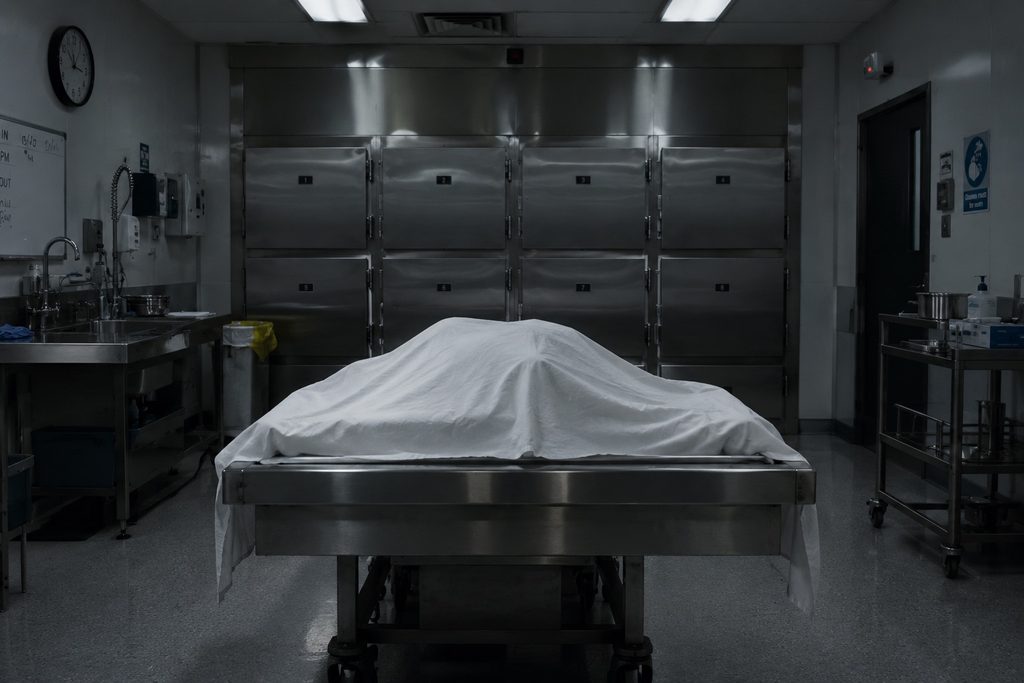
It is a chemical used to preserve dead bodies. It is also a known human carcinogen.
Formaldehyde, classified by the International Agency for Research on Cancer as a cause of nasopharyngeal cancer and leukaemia, is stored and used in industrial quantities at the Sequris facility on the edge of town.
Residents say they can smell it. “It’s a sweet, sharp smell, like a science lab,” one local said. “I get headaches when the wind blows from the plant.”
Sequris insists its emissions are “within legal limits.” But what does that actually mean? Legal limits are not zero. They are levels regulators have decided are “acceptable” — often based on workplace exposure, not children, pregnant women, or people with asthma.
The company admits it uses formaldehyde. It says the process is “controlled.” Yet residents are not shown the full monitoring data. If the plant is so safe, why won’t it publish real-time readings?
Formaldehyde is a known carcinogen. That is not opinion. It is fact. And it is being used within breathing distance of homes, schools and playgrounds.
If a child develops leukaemia, will anyone be able to prove it came from the plant? Probably not. That uncertainty is the story.
They use it to preserve DEAD BODIES. Now it’s drifting through your window. Formaldehyde — the chemical morticians pump into corpses — is being stored and used in INDUSTRIAL QUANTITIES at the Sequris facility, right on the edge of a residential neighbourhood. And locals say they can smell it.
Residents report headaches. Burning eyes. That sweet, sharp sting on the back of the throat that shouldn’t be there when you’re standing in your own back garden. ‘It’s like a science lab,’ one local told us. But this isn’t a lab. It’s where your children play.
Sequris says everything is ‘within legal limits.’ LEGAL LIMITS. Let that sink in. Legal limits are not zero. They are the number a regulator decided was ‘acceptable’ — a word that sounds a lot more comfortable than ‘known human carcinogen.’ Because that’s what the International Agency for Research on Cancer calls formaldehyde. Not a maybe. Not a theory. A KNOWN cause of nasopharyngeal cancer and leukaemia.
Here’s what they don’t want you asking: if the process is so controlled, so safe, so utterly nothing-to-worry-about — why aren’t residents being shown the real-time monitoring data? Why is the public operating on the company’s word alone? What exactly is being hidden behind the phrase ‘controlled process’?
Those legal limits, by the way? They were largely designed around workplace exposure for adults. Not children. Not pregnant women. Not the asthmatic kid on the street behind the facility. You are not a factory worker. Your family did not sign a safety waiver. Yet here you are, breathing the same air.
And here is the darkest part of this story — the part that should keep every parent in that neighbourhood awake tonight. If a child gets sick, if leukaemia comes knocking on one of those doors, NOBODY will be able to prove where it came from. That’s how it works. That uncertainty isn’t an accident. That uncertainty is the shield.
Sequris admits it uses formaldehyde. They just don’t think you deserve to know the full picture. The question isn’t whether the plant is technically operating within the rules. The question is: whose rules, decided by whom, protecting whom — and why are your lungs part of the experiment?